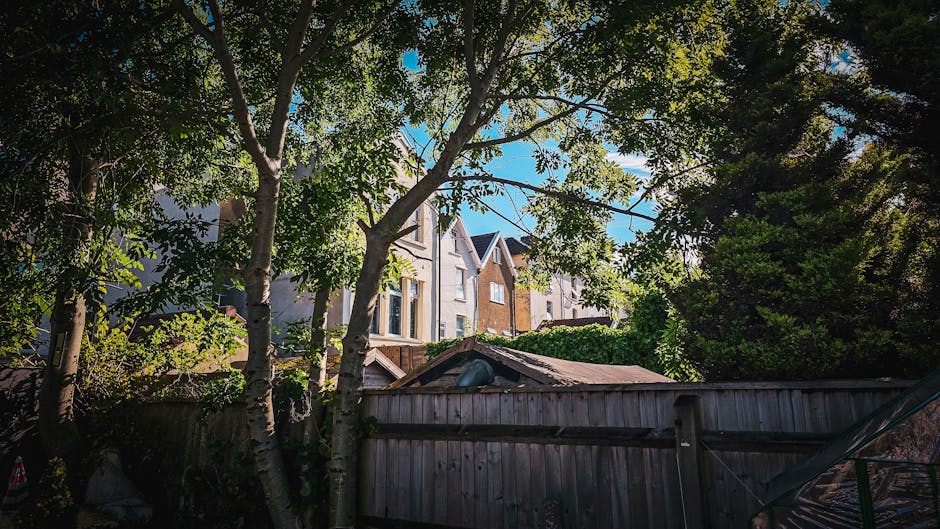
Gardeners for small yards on Uxbridge Road Shepherds Bush
If you live on Uxbridge Road in Shepherds Bush and your garden is more "compact city yard" than sprawling lawn, you already know the challenge: every square metre has to earn its keep. The right gardeners for small yards on Uxbridge Road Shepherds Bush can turn a tight, awkward outdoor space into something calmer, greener, and much easier to live with. Not bigger, necessarily. Just better. And that matters more than people think.
Small yards often suffer from the same issues: patchy grass, cluttered edges, poor drainage, tired planting, or a layout that looks fine from a distance but feels clumsy when you actually use it. A good local gardener understands how to work with limited space, not against it. In this guide, we'll look at what that means in practice, how the service works, what to ask for, and how to avoid the usual mistakes that make a small garden feel even smaller.
Contents
- Why Gardeners for small yards on Uxbridge Road Shepherds Bush Matters
- How Gardeners for small yards on Uxbridge Road Shepherds Bush Works
- Key Benefits and Practical Advantages
- Who This Is For and When It Makes Sense
- Step-by-Step Guidance
- Expert Tips for Better Results
- Common Mistakes to Avoid
- Tools, Resources and Recommendations
- Law, Compliance, Standards, or Best Practice
- Options, Methods, or Comparison Table
- Case Study or Real-World Example
- Practical Checklist
- Conclusion
- Frequently Asked Questions
Why Gardeners for small yards on Uxbridge Road Shepherds Bush Matters
Small yards are deceptively tricky. They look simple at first glance, but the margin for error is tiny. One oversized shrub, one poorly placed planter, or one neglected patch of lawn can throw the whole space off. On busy London streets, where gardens are often overlooked from day to day, the difference between "messy" and "well kept" can become obvious very quickly.
That's why gardeners for small yards on Uxbridge Road Shepherds Bush matter. They bring a disciplined approach to compact spaces. Instead of trying to cram in too much, they focus on balance, flow, and maintenance. A small yard should feel breathable. It should be easy to move through, easy to tidy, and easy to enjoy on a mild evening with a cup of tea while the traffic hums in the background.
For many homeowners and tenants, the bigger issue is not style but usability. A yard that's hard to mow, full of overgrowth, or stuck in permanent shade can become the kind of space you avoid. Once that happens, it usually gets worse. The good news? Small gardens respond quickly to proper care. A few smart changes can make a visible difference almost straight away.
If your outdoor area needs regular upkeep rather than a complete rebuild, services like garden maintenance and lawn mowing are often the most practical starting points. They keep the space manageable and stop minor issues becoming expensive clean-ups later on. Simple, but effective. And honestly, that's usually what small yards need most.
How Gardeners for small yards on Uxbridge Road Shepherds Bush Works
The process usually starts with a close look at the space itself. A gardener will assess how much sun it gets, how water moves across the ground, what is growing well, and what is just taking up room. In a small yard, those details matter because every decision has a ripple effect. A narrow path, a low wall, or a shaded corner can shape the whole plan.
From there, the work often falls into one of three approaches:
- Routine maintenance for gardens that mainly need trimming, tidying, and control.
- Clearance and reset work for yards that have become overgrown or cluttered.
- Layout improvement for spaces that need better structure, planting, or surfaces.
In practical terms, that can mean grass cutting, hedge trimming, pruning, weeding, removing dead material, reshaping edges, or making the garden feel less cramped. If a yard has become a bit of a jungle, a service like garden clearance can give you a clean slate. If the space needs structure as well as maintenance, landscape gardening or wider landscaping work may be more appropriate.
The important bit is that small-yard gardening should be measured, not rushed. There's a knack to it. Cut too much and the garden looks bare. Leave too much and it starts to feel cramped again. A careful gardener will pace the work so the space improves without losing its character.
Key Benefits and Practical Advantages
There's a straightforward reason people invest in professional help for compact gardens: the results are usually more noticeable than in a larger plot. In a small yard, a modest improvement stands out. Here are the main benefits.
- Better use of space. A small yard can feel twice as useful when the layout is clear and the planting is intentional.
- Less weekly stress. If maintenance is under control, you don't spend every weekend playing catch-up.
- Improved appearance. Neat edges, tidy surfaces, and healthy planting make the whole property feel cared for.
- Healthier plants. Crowded or neglected beds often struggle; pruning and proper spacing help them recover.
- Safer movement. Clearing trip hazards, slippery debris, and awkward overgrowth makes the yard easier to use.
- Better resale or rental impression. A small outdoor space can be a surprisingly strong selling point when it looks polished.
There's also a mental benefit people underestimate. A compact garden that is tidy and intentional feels lighter. You look out the window and it doesn't nag at you. That sounds small, but it changes how the space fits into daily life. Less "job to do", more "somewhere to sit for ten minutes before dinner".
If hedges are the problem, hedge trimming can restore shape fast without making the yard feel stripped back. If you have awkward trees blocking light or crowding the garden, tree lopping and removal may need to be considered carefully, especially where safety and boundary lines are involved.
Who This Is For and When It Makes Sense
This kind of service suits a few different people, and not all of them are homeowners with large ambitions. In fact, small yards are often the most sensible place to start because the practical gains are immediate.
- Homeowners who want their small outdoor space to look tidy year-round.
- Landlords who need a compact garden kept presentable between tenancies.
- Tenants who want to stay on top of the garden without overinvesting in it.
- Busy families who need a usable outdoor area but simply do not have the time.
- Older residents who want to avoid physically demanding upkeep.
- People preparing a sale or letting and wanting the outside to match the interior.
It makes sense when the garden is small but feels disproportionately hard to manage. Maybe the grass is constantly getting shaggy. Maybe climbing plants have taken over the fence. Maybe the whole yard is shaded, damp, and awkward. Or maybe you're simply ready for the space to stop looking like a chore.
Truth be told, a lot of people wait too long. They think, "It's only a little yard, I'll sort it next month." Then next month arrives, and the weeds have gotten bold. They always do, don't they?
Step-by-Step Guidance
If you're planning to hire gardeners for small yards on Uxbridge Road Shepherds Bush, a simple process works best. Here's a practical way to approach it.
- Walk the space first. Notice where water pools, where light falls, and what feels awkward to use.
- Separate needs from wants. Decide whether you need maintenance, a clean-up, or a bigger redesign.
- List the problem areas. For example: overgrown hedge, tired lawn, cluttered pots, broken edging, or weak planting.
- Ask for a realistic plan. Small gardens do best with clear priorities rather than grand promises.
- Start with the highest-impact work. Tidy edges, cut back overgrowth, remove dead material, and improve the main sightlines.
- Keep the maintenance rhythm going. A small yard looks best when touch-ups happen regularly, not only when it gets desperate.
A good local team will also talk you through surfaces and access. In Shepherds Bush, many gardens have narrow side access, tight gates, or awkward corners. That's not unusual. It just means equipment choice and working method matter more than people expect. A compact space needs compact thinking.
If the job has left you with a lot of waste, it may be worth combining the work with garden clearance so the mess leaves with the job. No point doing half the tidy-up and then staring at a pile of clippings for three days. Been there, seen that, not ideal.
Expert Tips for Better Results
Small yards reward restraint. That's probably the single most useful principle to keep in mind. The goal is not to fill every gap. The goal is to make the space feel deliberate.
Here are a few practical tips that usually help:
- Use fewer plant types. Repeating a small number of plants often looks cleaner than mixing too many textures and colours.
- Keep edges crisp. A sharp edge between lawn, bed, and path instantly improves how a compact yard reads.
- Choose vertical interest carefully. Trellises, climbers, and taller pots can create height without crowding the floor area.
- Don't overcrowd containers. One healthy container can look better than three cramped ones.
- Prioritise light. If the garden is shaded, trim back what blocks daylight before adding more planting.
- Plan for maintenance now, not later. A clever design that is impossible to maintain soon becomes an annoying one.
One practical observation: small yards often look best after a mid-morning tidy when the light is clearer and the surfaces dry out a bit. You notice what's actually there, rather than what the evening shade is hiding. A small thing, but helpful.
If you want long-term tidiness, ask for a maintenance schedule that fits the season. Growth doesn't behave the same in February as it does in June. Obvious, yes, but easy to forget when life gets busy.
Common Mistakes to Avoid
Most disappointing small-yard makeovers fail for predictable reasons. Not dramatic ones. Just the usual suspects.
- Overplanting. A crowded yard feels smaller, not fuller.
- Ignoring drainage. Waterlogged corners can ruin lawns, beds, and paving over time.
- Using oversized features. Big furniture, chunky planters, or heavy structures can dominate a modest garden.
- Letting hedges go wide. Width is often the issue in small spaces, not height.
- Skipping regular maintenance. In compact gardens, growth becomes obvious fast.
- Trying to do everything at once. A phased approach usually gives better results and a calmer finish.
Another common mistake is assuming the best solution is always a full redesign. Sometimes it isn't. Sometimes a careful tidy, selective pruning, and a better mowing pattern solve 80% of the problem. Nice and simple. A bit boring, maybe, but effective.
If you're not sure whether the issue is maintenance or structure, start with maintenance. It gives you a clearer view of what the space really needs. Then you can decide whether design improvements are worth the spend.
Tools, Resources and Recommendations
You don't need a shed full of specialist kit to look after a small yard, but the right tools make a big difference. Professional gardeners usually work with compact, precise equipment because that suits tight spaces better than bulky machines.
| Need | Practical tool or approach | Why it helps in a small yard |
|---|---|---|
| Regular grass cutting | Compact mower or fine-tuned mowing service | Reduces scalping and keeps narrow areas neat |
| Hedge control | Careful hedge trimming | Prevents the garden from closing in visually |
| Overgrowth reset | Garden clearance | Creates a clean starting point |
| Long-term upkeep | Scheduled garden maintenance | Keeps the space manageable week after week |
| Better structure | Landscape gardening and landscaping | Improves layout, balance, and usability |
For local customers comparing service options, the services overview and pricing and quotes pages are sensible places to start. They help you understand how services are grouped and what kind of work fits your budget and priorities.
If sustainability matters to you, it's also worth asking how waste is handled after the job. Responsible green waste handling and recycling practices are increasingly part of good service standards, not just a nice extra. You want the garden improved, obviously, but you also want the aftermath to be handled properly.
Law, Compliance, Standards, or Best Practice
For small-yard gardening in a residential setting, there usually isn't a heavy compliance burden for the customer, but good practice still matters. If work involves ladders, power tools, cutting equipment, or tree work near boundaries, safety and careful planning are non-negotiable.
In the UK, reputable garden and landscaping services should work with sensible risk awareness, proper insurance, and careful attention to site safety. That includes avoiding damage to fences, paving, sheds, walls, buried services, and neighbouring property. If the work is likely to be more involved, it is reasonable to ask about insurance and safety standards before anything starts. That's just good judgment.
For tree-related work, especially where branches are overhanging or access is tight, it is sensible to use a service that takes a measured approach rather than cutting first and thinking later. The same goes for waste removal and site tidying. A good finish is not only about how the garden looks; it's about whether the area is left safe, usable, and clean.
You can also ask about broader company policies such as health and safety policy, insurance and safety, and recycling and sustainability. Those pages are useful trust signals because they show how the service thinks, not just what it sells.
Options, Methods, or Comparison Table
If you're deciding how to handle a small yard, the main question is usually whether you need regular upkeep, a one-off reset, or a redesign. Each approach has its place.
| Approach | Best for | Main advantage | Possible limitation |
|---|---|---|---|
| Routine maintenance | Small yards that are already in reasonable shape | Keeps the garden tidy with low disruption | Won't solve deeper layout issues |
| Garden clearance | Overgrown, cluttered, neglected spaces | Creates an immediate reset | Does not always improve long-term structure by itself |
| Landscape gardening | Gardens needing a smarter layout or new features | Improves function and appearance together | Usually takes more planning |
| Full landscaping | Spaces needing more substantial reshaping | Can transform how the yard feels | Can be more involved than many small yards really need |
For many Uxbridge Road properties, the best route is a mix: start with maintenance or clearance, then decide whether the layout needs improvement. That way, you avoid spending money on features that look good in theory but crowd the space in practice.
Case Study or Real-World Example
Here's a realistic example. A compact back yard off Uxbridge Road had become hard to use: a thin lawn was patchy, the hedge had drifted wide, and two corners were full of old pots, broken canes, and garden debris. Nothing dramatic, just enough clutter to make the whole space feel tiring.
The first step was not design. It was clearing and cutting. Once the excess material was removed, the difference was immediate. The yard looked bigger simply because you could see its shape again. After that, the hedge was reduced carefully, the grass was improved with a more disciplined mowing routine, and the planting was simplified so the borders didn't feel busy.
What changed most was not the amount of space. It was the feeling of the space. The yard went from "don't bother with it" to "we can sit out here for half an hour". That's the real win with small gardens. They don't need to be grand. They just need to work.
If a job like that sounds familiar, the company's about us page can help you understand the sort of service philosophy behind the work, while contact us is the natural next step if you want to talk through your own space.
Practical Checklist
Use this quick checklist before booking gardeners for a small yard. It keeps the conversation focused and helps you get better value.
- Is the main issue maintenance, clearance, layout, or all three?
- Do you want the garden to look better, work better, or both?
- Are there tight access points, fragile surfaces, or boundary concerns?
- Would hedge trimming or mowing solve part of the issue quickly?
- Are there plants worth keeping, or is it mostly a reset job?
- Do you want a one-off visit or a regular upkeep plan?
- Will waste need to be removed from site?
- Do you need help with trees, decking, or structural changes too?
- Have you looked at pricing and service details in advance?
- Do you understand how the space will be maintained after the work is done?
That's the kind of prep that saves time later. Also, it makes the first conversation much easier. Nobody enjoys a vague garden brief. Not the customer, not the gardener.
Get a free quote today and see how much you can save.
Conclusion
Gardeners for small yards on Uxbridge Road Shepherds Bush are not just there to "do a bit of tidy-up work". They help compact outdoor spaces become easier to use, easier to maintain, and far more pleasant to look at. When the garden is small, precision matters. The right cuts, the right clean-up, and the right structure can make a surprisingly big difference.
If you take one thing from this guide, let it be this: small yards respond best to clarity. Clear the clutter. Keep the edges neat. Choose changes that support the way you actually live. That's usually where the lasting improvement comes from.
And if your space still feels a bit unruly, don't worry. Most small gardens do. They just need a steady hand and a sensible plan. Bit by bit, it comes together.
Frequently Asked Questions
What do gardeners for small yards on Uxbridge Road Shepherds Bush usually do?
They typically handle mowing, hedge trimming, weeding, pruning, tidy-ups, clearance, and simple layout improvements. In small yards, the aim is usually to make the space look bigger, cleaner, and easier to manage.
How often should a small yard be maintained?
It depends on growth and use, but many small gardens benefit from regular attention rather than long gaps between visits. A light, consistent routine often works better than waiting until everything has overgrown.
Is garden clearance better than maintenance for a neglected yard?
If the yard is heavily overgrown or full of clutter, clearance is usually the better first step. Once the space is reset, maintenance can keep it under control. The two often work hand in hand.
Can a small yard still have planting and structure?
Yes, absolutely. The trick is to keep it simple. A few well-chosen plants, clear edging, and maybe one strong focal point often work better than trying to squeeze in too much.
What should I ask before booking a gardener?
Ask what is included, whether waste removal is part of the job, how access will be handled, and whether the work is maintenance, clearance, or landscaping. Those details matter more than a shiny headline offer.
Do small yards need landscaping, or is maintenance enough?
Some only need maintenance. Others benefit from landscaping if the layout is awkward or the yard is hard to use. A quick assessment usually shows whether the issue is cosmetic or structural.
What makes a small yard look bigger?
Clear edges, reduced clutter, lighter planting, sensible pruning, and a simple layout all help. A garden often feels larger when you can see its boundaries clearly and move through it without obstruction.
Are hedge trimming and lawn mowing enough to improve a tiny garden?
Sometimes, yes. If the main problem is overgrowth, then hedge trimming and mowing can make a dramatic difference. If the space also feels cluttered or poorly arranged, you may need more than that.
How do I know if tree work is needed in a small yard?
If a tree is blocking light, dropping a lot of debris, or crowding the space, it may need attention. Tree-related work should always be considered carefully, especially in compact gardens near boundaries or shared property lines.
What is the best first step if I'm unsure what my garden needs?
Start with a simple assessment of the space and decide whether the issue is overgrowth, clutter, or layout. If in doubt, ask for a maintenance or clearance review first. That gives you a clearer picture before committing to larger work.
Can a gardener help with decking or structural changes in a small yard?
Yes, if the service includes it. For gardens where a better surface or a defined seating area would help, decking may be worth exploring. In small spaces, though, structure should always serve function, not just fill room.
What if I only need a one-off tidy-up?
That's very common. A one-off tidy-up can be the right choice when a garden has simply fallen behind. It can also be a good starting point before deciding whether you want ongoing maintenance later on.